

How Do I Know If Hidden Damage Exists After a Collision? Insights from an Auto Body Repair Specialist in Glendale Heights, Illinois
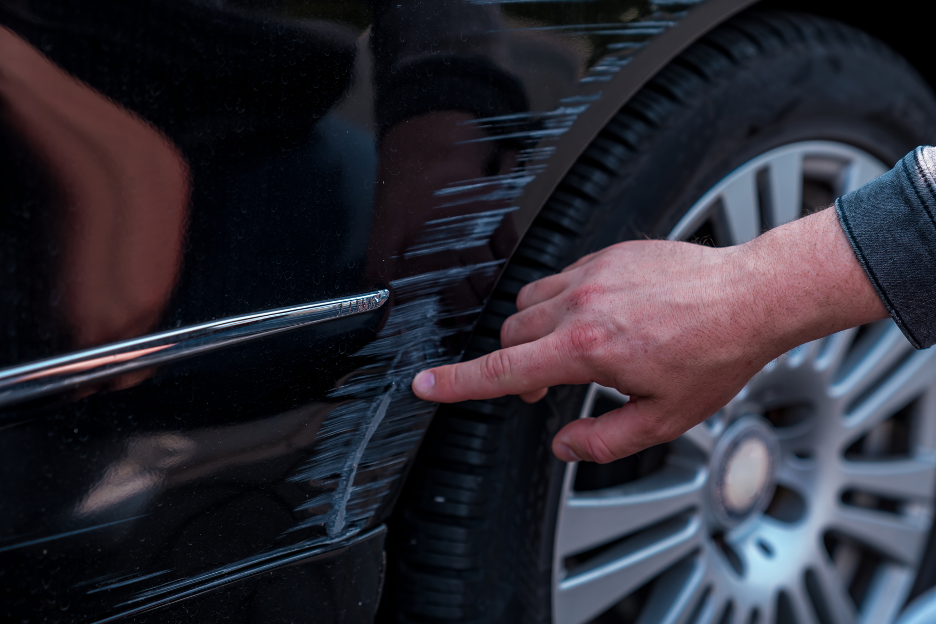
After a collision, some damage is easy to see right away. Dents, scratches, cracked glass, bent panels, and broken lights may be obvious, but other problems can stay hidden behind bumpers, panels, brackets, trim, or underneath the vehicle.
Hidden damage can affect the way your vehicle looks, drives, and protects you in another accident. Below, this auto body repair specialist in Glendale Heights, Illinois is going to explain how hidden damage can be found after a collision.
Can Hidden Damage Exist After a Collision?
Yes. Hidden damage can exist after a collision even if the outside of the vehicle does not look severely damaged. Modern vehicles are built with panels, supports, sensors, brackets, and structural components that may absorb impact behind the visible surface.
A bumper cover may spring back into place while the reinforcement bar, mounting points, or surrounding components remain damaged. A panel may look mostly normal while clips, brackets, or alignment points underneath have shifted.
An experienced auto body repair specialist in Glendale Heights, Illinois can inspect the vehicle beyond the visible damage and look for signs that something underneath has been affected.
What Types of Hidden Damage Can Happen?
Hidden collision damage can involve bumper supports, frame or structural components, suspension parts, wheel alignment, sensors, wiring, brackets, clips, lights, trunk areas, radiator supports, and panel mounting points.
Some of these problems may not show up until the vehicle is driven, measured, disassembled, or inspected closely. A small impact can still affect parts that are important for safety, appearance, and drivability.
This is why a visual glance at the outside of the vehicle is not always enough.
Why Is a Collision Inspection Important?
A collision inspection is important because it helps identify damage that may not be visible from the outside. The technician can look at the affected area, check panel gaps, examine mounting points, inspect nearby components, and determine whether disassembly is needed.
Without an inspection, hidden problems may be missed. That can lead to poor fit, uneven panels, warning lights, handling issues, water leaks, or safety concerns later.
The goal is to understand the full extent of the damage before the repair plan is finalized.
Can Bumper Damage Hide Bigger Problems?
Yes. Bumper damage can hide bigger problems because the outer bumper cover is only one part of the bumper system. Behind it, there may be reinforcement bars, absorbers, brackets, sensors, wiring, and mounting points.
After a collision, the bumper cover may not reveal how much force reached the components behind it. Even a minor-looking rear-end or front-end impact can affect parts that are not visible without removing or inspecting the cover.
For drivers in the Glendale Heights area, bumper damage should be checked carefully if the vehicle was hit with enough force to shift, crack, or loosen exterior parts.
Can Frame or Structural Damage Be Hidden?
Yes. Frame or structural damage can sometimes be hidden after a collision. A vehicle may still drive, but the underlying structure may have shifted or absorbed impact.
Signs may include uneven gaps between panels, doors that do not close smoothly, a trunk or hood that sits unevenly, pulling while driving, or unusual noises. In some cases, measurements are needed to confirm whether the structure is still within proper specifications.
Structural damage should always be evaluated carefully because it can affect both repair quality and vehicle safety.
Can Suspension or Alignment Problems Be Collision-Related?
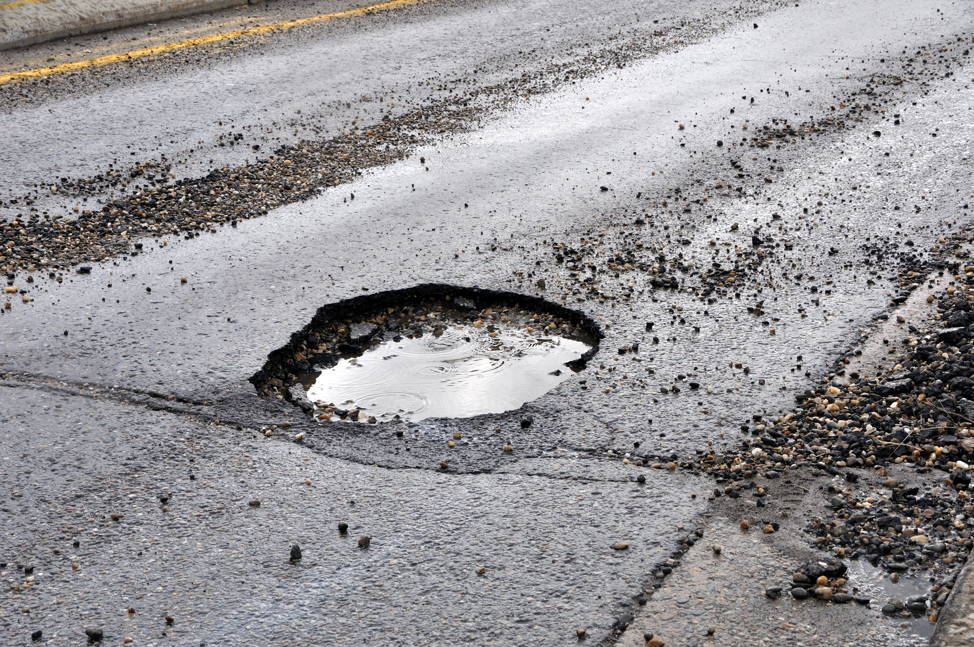
Yes. Suspension or alignment problems can happen after a collision, especially if the impact involved a wheel, curb, pothole, or side of the vehicle. The vehicle may pull to one side, vibrate, sit unevenly, or feel different while steering.
Even if the body damage looks minor, the suspension or alignment may still be affected. These issues can also lead to uneven tire wear if they are not addressed.
A vehicle that feels different after a collision should be inspected before the problem gets worse.
Can Sensors Be Damaged in a Collision?
Yes. Many vehicles have sensors, cameras, wiring, and electronic components near bumpers, mirrors, doors, grilles, and other exterior areas. A collision can damage or misalign these systems.
You may notice warning lights, parking sensor problems, camera issues, or driver-assistance features that no longer seem to work correctly. Sometimes the issue is not obvious until the vehicle is scanned or inspected.
These systems should be reviewed as part of the repair process when the damaged area includes related components.
What Are Signs of Hidden Damage After a Collision?
Signs of hidden damage may include uneven panel gaps, new rattling sounds, doors that stick, a hood or trunk that does not close correctly, warning lights, pulling while driving, vibration, fluid leaks, unusual tire wear, or water entering the vehicle.
You may also notice that something simply feels different. The vehicle may not sound, steer, brake, or ride the way it did before the accident.
The right auto body repair specialist in Glendale Heights, Illinois can inspect these symptoms and determine whether they are connected to the collision.
Should the Vehicle Be Disassembled During the Estimate?
In some cases, partial disassembly may be needed to find hidden damage. Removing certain panels, bumper covers, trim pieces, or interior components can reveal damage that was not visible during the first inspection.
This is common when the visible damage suggests the impact may have reached deeper parts of the vehicle. A more complete look can help create a more accurate repair plan.
Disassembly helps reduce the chance that important damage is discovered too late in the process.
Why Should Hidden Damage Be Repaired Promptly?
Hidden damage should be repaired promptly because it can affect safety, drivability, appearance, and long-term vehicle condition. Damage behind the surface may interfere with how parts fit together or how the vehicle responds in normal driving.
Delaying repairs may also allow related problems to get worse. A loose bracket, misaligned panel, damaged support, or unnoticed leak can create additional issues over time.
A proper repair helps restore the vehicle more completely after the collision.
Looking for an Auto Body Repair Specialist in Glendale Heights, Illinois?
Hidden damage after a collision can involve bumper supports, frame components, suspension parts, sensors, wiring, mounting points, or panel alignment. If your vehicle looks mostly fine but feels different, has warning lights, makes new noises, or shows uneven gaps, an auto body repair specialist in Glendale Heights, Illinois can inspect the damage and explain what repairs may be needed.
At Lombard Body & Fender, we help drivers address visible and hidden collision damage through careful inspection, auto body repair, frame repair, paint work, part replacement, and related services. Contact us to have your vehicle inspected after a collision and make sure the damage is not hiding beneath the surface.