
How Do Body Shops Match Paint Colors So Accurately? Insights from an Auto Body Repair Mechanic in Glen Ellyn, Illinois
Matching automotive paint is more detailed than simply finding a color that looks close. Modern vehicle finishes can involve base coats, clear coats, metallic flakes, pearl effects, factory variations, and years of sun exposure or normal wear.
Below, this auto body repair mechanic in Glen Ellyn, Illinois is going to explain how body shops match paint colors so accurately, and why the process requires careful preparation.
They Start with the Vehicle’s Paint Code
One of the first steps in matching paint is finding the vehicle’s factory paint code. This code gives the shop a starting formula for the original color used by the manufacturer.
However, the paint code alone is usually not enough. Two vehicles with the same paint code may not look the same because of age, sun exposure, previous repairs, factory variations, and the way the finish has worn over time.
A paint code is helpful, but it is only the beginning of the matching process.
The Existing Finish Must Be Evaluated
Before new paint is applied, the existing finish needs to be carefully evaluated. The technician looks at the color, gloss, texture, metallic pattern, and overall condition of the surrounding panels.
A vehicle that has spent years outdoors may have paint that is slightly faded compared to the original factory color. A vehicle that was previously repaired may also have subtle color differences from one panel to another.
A good auto body repair mechanic in Glen Ellyn, Illinois can account for these details before finalizing the paint match.
Computerized Color Matching Helps Refine the Formula
Many body shops use computerized color matching tools to help identify the closest paint formula. These systems can scan the vehicle’s existing paint and compare it with paint databases to find the best match.
This technology can be especially helpful when the original color has changed slightly over time. It allows the shop to refine the formula instead of relying only on the factory paint code.
Computerized tools are useful, but they still require skilled technicians to interpret the results and make the right adjustments.
Spray-Out Cards Can Confirm the Match
A spray-out card is a small test panel that allows the technician to see how the paint looks before applying it to the vehicle. This step helps confirm whether the color, metallic effect, and finish are close enough to blend properly.
Paint can look different after it dries or after clear coat is added. Testing the color first gives the technician a chance to adjust before moving forward.
This extra step can make the difference between a repair that stands out and one that blends naturally with the rest of the vehicle.
Lighting Conditions Matter
Paint can look different depending on the lighting. A color that appears correct under shop lights may look slightly different in sunlight, shade, or cloudy conditions.
This is especially true for metallic and pearl finishes, which can shift in appearance depending on the viewing angle and light source. Technicians often check the color under different lighting conditions to make sure the match is accurate.
A proper paint match should look consistent in real-world conditions, not just inside the shop.
Blending Helps Avoid Harsh Color Differences
Even with an accurate paint formula, the repaired panel may need to be blended into nearby panels. Blending helps create a gradual transition to ensure the new paint does not stop abruptly at the edge of the repair.
This is especially important when the surrounding paint has aged or faded slightly. Instead of making one panel look noticeably different, blending helps the finish appear more consistent across the vehicle.
A skilled paint technician knows when blending is needed and how far the blend should extend.
Surface Preparation Is Critical
Paint matching is not only about color. The surface also must be prepared correctly before paint is applied.
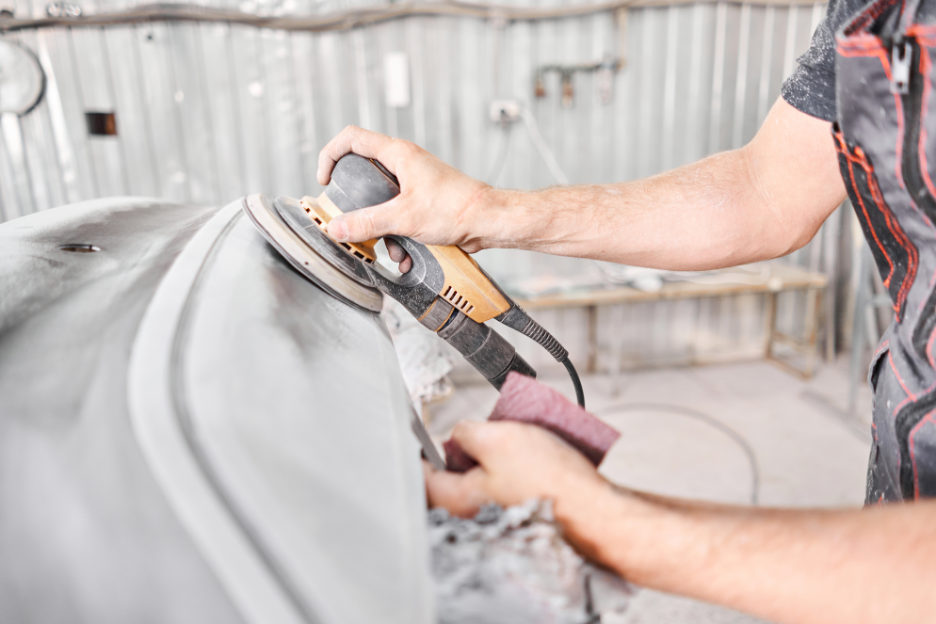
Cleaning, sanding, priming, and smoothing the repaired area all affect how the finish looks. If the surface is uneven or poorly prepared, the paint may not reflect light the same way as the surrounding panels.
Experienced auto body repair mechanics in Glen Ellyn, Illinois understand that accurate paint matching depends on both the color formula and the quality of the surface preparation.
Clear Coat Affects the Final Appearance
The clear coat protects the paint and gives the finish its gloss and depth. If the clear coat is not applied correctly, even a good color match can look off.
The thickness, texture, and finish of the clear coat can affect how the color appears. This is why the final refinishing process requires the same attention to detail as the color match itself.
A smooth, consistent clear coat helps the repaired area blend with the rest of the vehicle.
Experience Still Matters
Paint matching technology has improved, but experience still plays a major role. A trained technician can recognize subtle differences in tone, brightness, metallic layout, and finish quality.
They can also adjust when a formula is close but not quite right. This combination of technology, testing, preparation, and hands-on skill is what allows body shops to achieve accurate results.
Looking for an Auto Body Repair Mechanic in Glen Ellyn, Illinois?
Accurate paint matching involves paint codes, computerized color matching, spray-out testing, surface preparation, blending, lighting checks, and clear coat application. If your vehicle needs paint or collision repair, an auto body repair mechanic in Glen Ellyn, Illinois can help restore the finish for a factory look.
At Lombard Body & Fender, we provide auto body repair and refinishing services for drivers who want careful, professional results. Contact us to schedule an estimate and learn more about your repair options.