

What Is Paintless Dent Repair and How Does It Work? A Paintless Dent Repair Specialist in Glen Ellyn, Illinois Explains
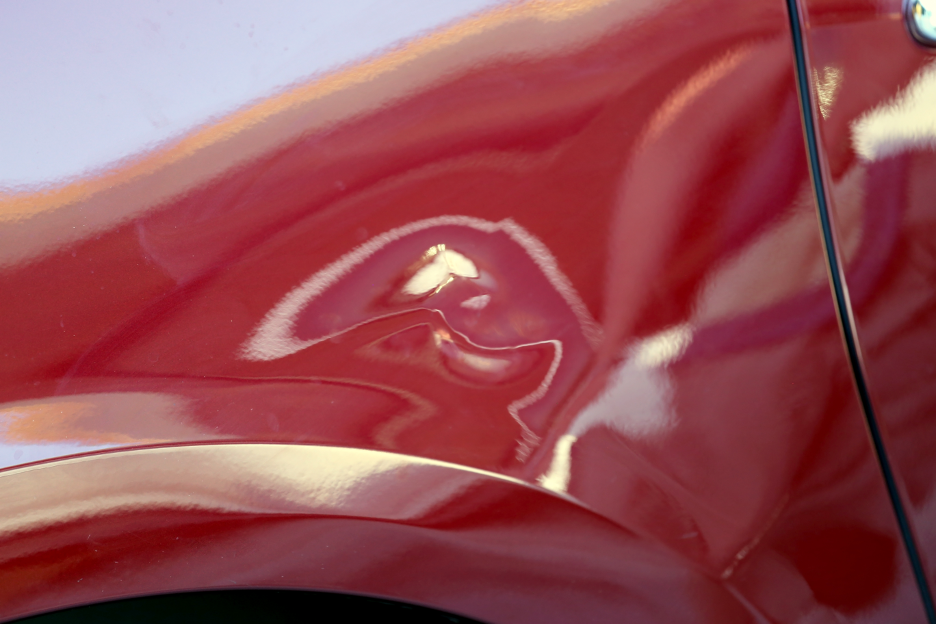
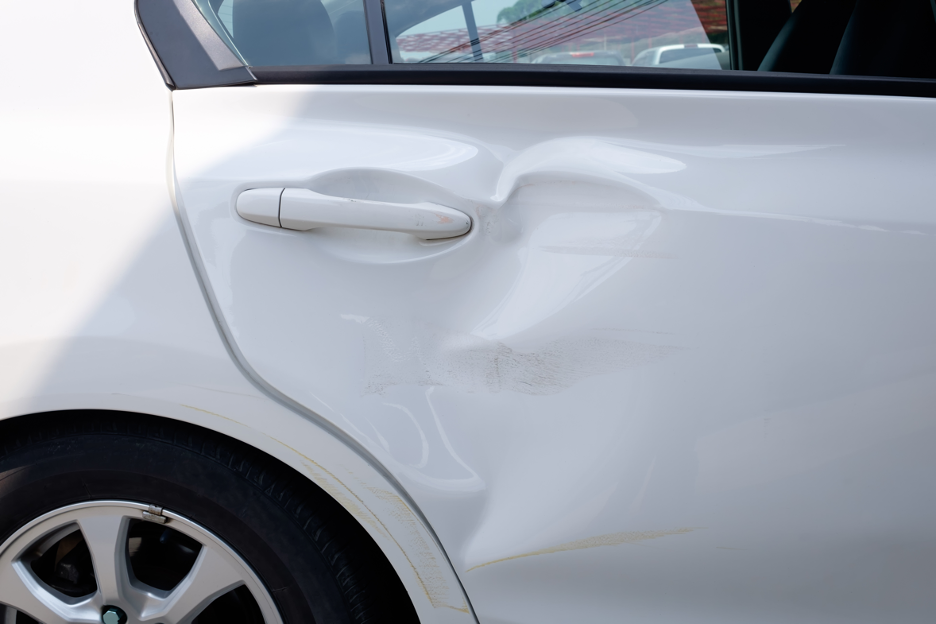
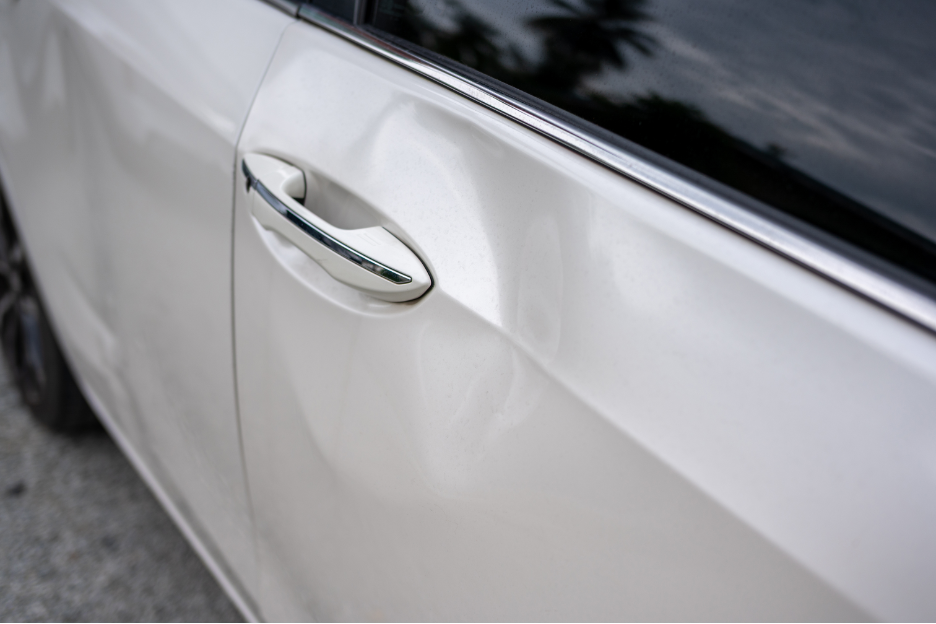
Small dents can be frustrating, especially when the paint is still intact and the vehicle otherwise looks good. Whether the damage came from hail, a parking lot ding, a shopping cart, or a minor bump, many drivers want to know whether the dent can be repaired without traditional body work.
Paintless dent repair, often called PDR, is a technique used to remove certain dents without sanding, fillers, or repainting. Below, this paintless dent repair specialist in Glen Ellyn, Illinois is going to explain how PDR works, when it may be an option, and why it can be a good solution for certain types of vehicle damage.
Paintless Dent Repair Focuses on the Metal
Paintless dent repair is designed to reshape the damaged metal from behind or around the dent. Instead of covering the dent with filler and repainting the panel, the technician carefully works the metal back toward its original shape.
This process requires patience, precision, and the right tools. The goal is to restore the panel while preserving the original paint finish whenever possible. That is why PDR is often considered when the paint has not cracked, chipped, or separated from the surface.
The Paint Must Still Be Intact
PDR is not the right solution for every dent. One of the biggest factors is the condition of the paint. If the paint is still intact, the dent may be a good candidate for paintless dent repair. If the paint is cracked, scraped, or peeling, a different repair method may be needed.
Drivers in the Glen Ellyn area often ask about PDR after hail damage, small door dings, or shallow dents where the vehicle’s finish still looks undamaged. In these situations, a professional evaluation can help determine whether the dent can be repaired without repainting.
The Technician Inspects the Damage First
Before beginning paintless dent repair, the technician needs to inspect the dent carefully. They will look at the size, depth, location, shape, and condition of the damaged panel.
Some dents are easier to repair than others. A shallow dent on an accessible panel may be a strong candidate for PDR, while a sharp crease, stretched metal, or damage near an edge may be more complicated. The inspection helps determine whether paintless dent repair is realistic.
Access to the Back of the Panel Matters
In many cases, PDR works by applying controlled pressure from behind the dent. To do this, the technician may need access to the back side of the panel.
Depending on where the dent is located, this may involve carefully moving interior trim, liners, or other components to reach the damaged area. A qualified paintless dent repair specialist in Glen Ellyn, Illinois can determine the best access point and use specialized tools to work the metal gradually.
The Dent Is Slowly Worked Back into Place
Once the technician can reach the dent, they use controlled movements to massage or push the metal back toward its original position. This is usually done in small adjustments rather than one large movement.
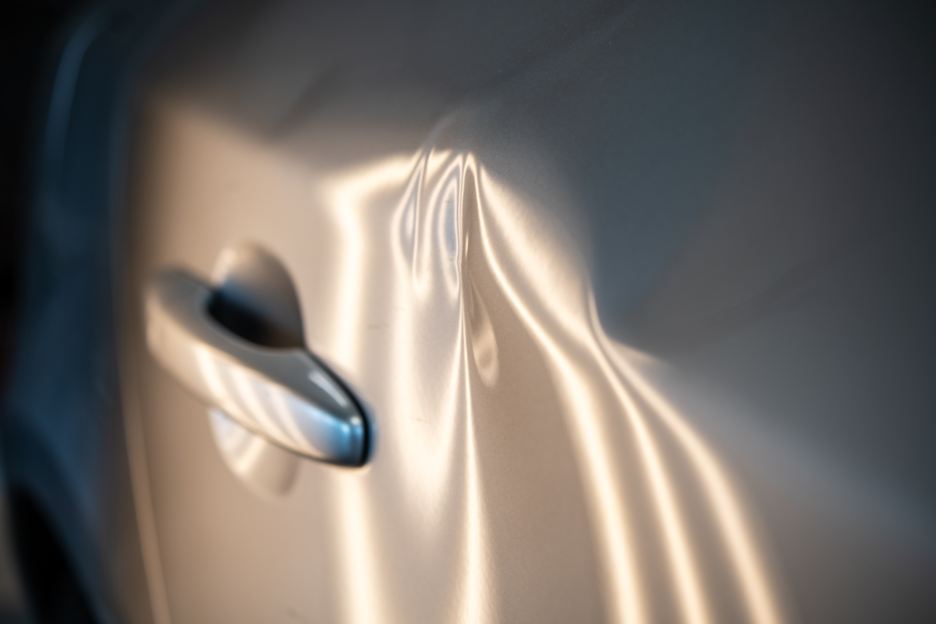
Lighting is also important during the process. Technicians often use reflection boards or special lights to see the shape of the dent clearly. This helps them identify high and low spots as the panel is being restored.
PDR Can Help Preserve the Original Finish
One of the main benefits of paintless dent repair is that it can preserve the vehicle’s original paint when the damage allows for it. Because there is no repainting involved in a proper PDR repair, there is no need to blend new paint into the surrounding area.
This can be helpful for drivers who want to maintain the factory finish and avoid unnecessary work on a panel that only has minor dent damage. At the end of the day, the goal is to restore the appearance of the vehicle while keeping the repair as clean and targeted as possible.
Not Every Dent Is a Good Candidate
Although PDR can be a great option, it has limits. If the dent is too deep, the metal is stretched, the paint is damaged, or the panel has sharp creasing, traditional auto body repair may be recommended instead.
An experienced paintless dent repair specialist in Glen Ellyn, Illinois can explain whether PDR is appropriate or whether another repair method would provide a better result. This is why it is important to have the damage inspected before assuming one repair method will work.
Looking for a Paintless Dent Repair Specialist in Glen Ellyn, Illinois?
Paintless dent repair can be a good option for certain dents when the paint is still intact, and the metal can be carefully reshaped. If your vehicle has hail damage, door dings, or minor dents, a professional paintless dent repair specialist in Glen Ellyn, Illinois can evaluate the damage and explain whether PDR is the right approach.
At Lombard Body & Fender, we provide paintless dent repair and auto body repair services for drivers throughout Glen Ellyn and the surrounding communities. Contact us to schedule an inspection.