

What Types of Dents Can Be Fixed with Paintless Dent Repair (PDR)? Insights from a Paintless Dent Repair Specialist in Wheaton, Illinois
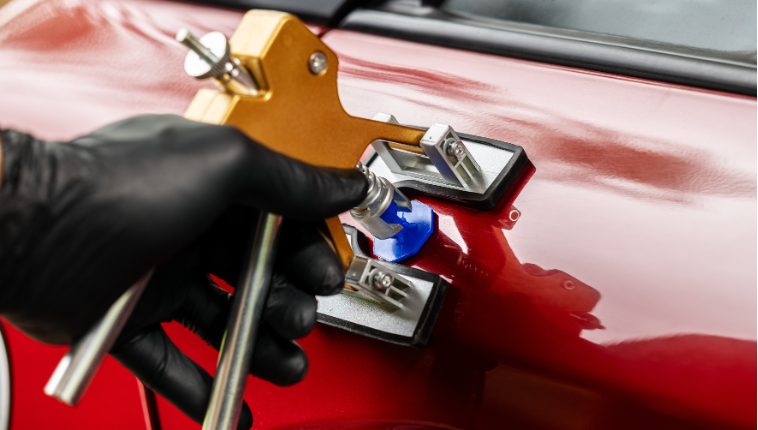
Not all dents require traditional bodywork or repainting. In many cases, paintless dent repair (PDR) can be used to restore the shape of a panel without affecting the original finish. This method is often used when the damage is limited, and the paint surface remains intact.
Understanding when PDR is a good fit depends on the type of dent and the condition of the affected area. Below, this paintless dent repair specialist in Wheaton, Illinois is going to explain what types of dents can typically be repaired using this method, and what factors determine whether it’s the right approach.
Small to Moderate Dents
PDR is commonly used for small to mid-sized dents.
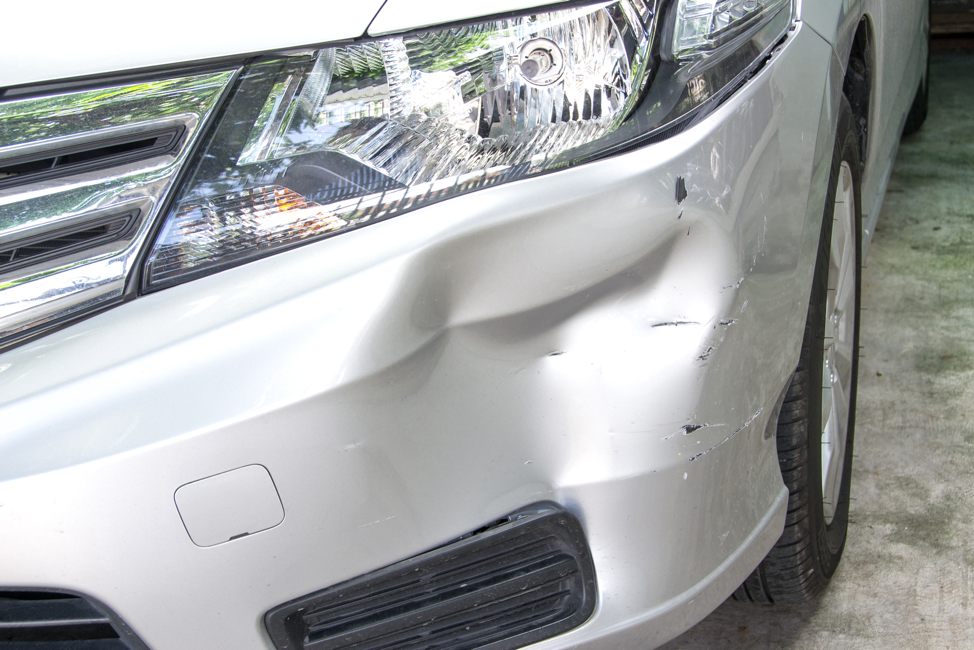
These dents are often caused by minor impacts where the metal has been pushed inward but not severely stretched. Because the damage is contained, technicians can often reshape the panel from behind without disturbing the paint.
This makes PDR a practical option for restoring panels without additional refinishing.
Hail Damage
Hail damage is one of the most common uses for paintless dent repair.
Vehicles affected by hail often have multiple small dents across the surface, particularly on the hood, roof, and trunk. Since the paint is usually not broken, PDR can be used to address these dents individually without repainting large sections of the vehicle.
Your paintless dent repair specialist in Wheaton, Illinois can evaluate hail damage and determine how much of it can be repaired using this method.
Dents with Intact Paint
The condition of the paint plays a major role in whether PDR can be used.
If the paint has not cracked, chipped, or separated from the surface, the panel can often be reshaped successfully. Once the paint is compromised, additional repair methods may be needed to restore both the surface and the underlying structure.
Maintaining the original paint is one of the key advantages of this approach.
Shallow and Rounded Dents
PDR works best on dents that are not too deep or sharp.
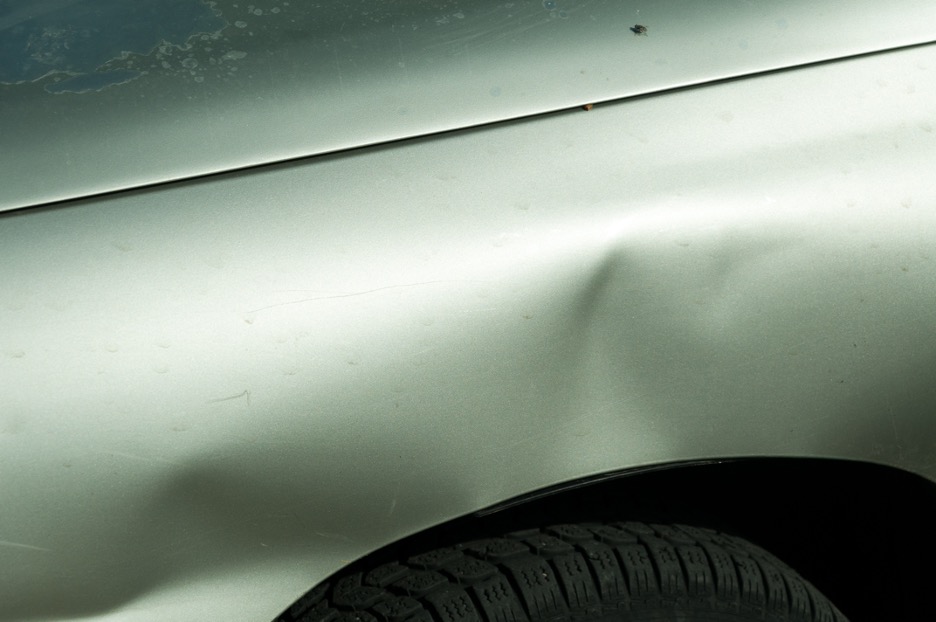
Shallow dents with smooth edges are more responsive to reshaping because the metal has not been significantly stretched. These types of dents are often easier to correct and typically produce more consistent results.
Deeper dents or those with sharp creases may still be repairable, but they often require a more detailed evaluation.
Dents in Accessible Areas
Access is another important factor.
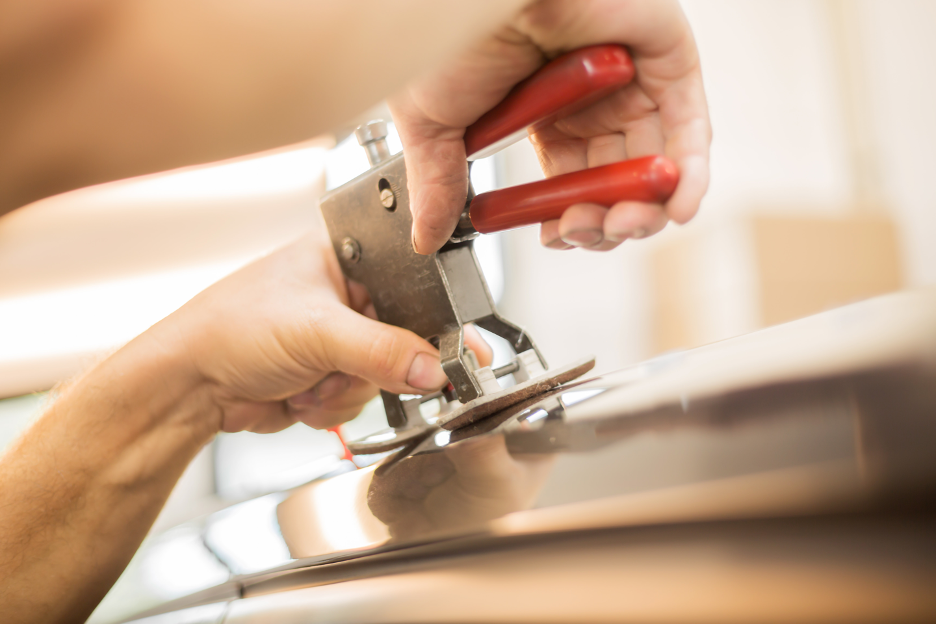
To perform PDR, technicians need to reach the back side of the panel. If the area behind the dent is accessible, specialized tools can be used to gently push the metal back into place.
A good paintless dent repair specialist in Wheaton, Illinois will assess whether the location of the dent allows for proper access before recommending this method.
When PDR May Not Be the Right Option
There are situations where paintless dent repair is not ideal.
These can include:
- Dents with cracked or missing paint
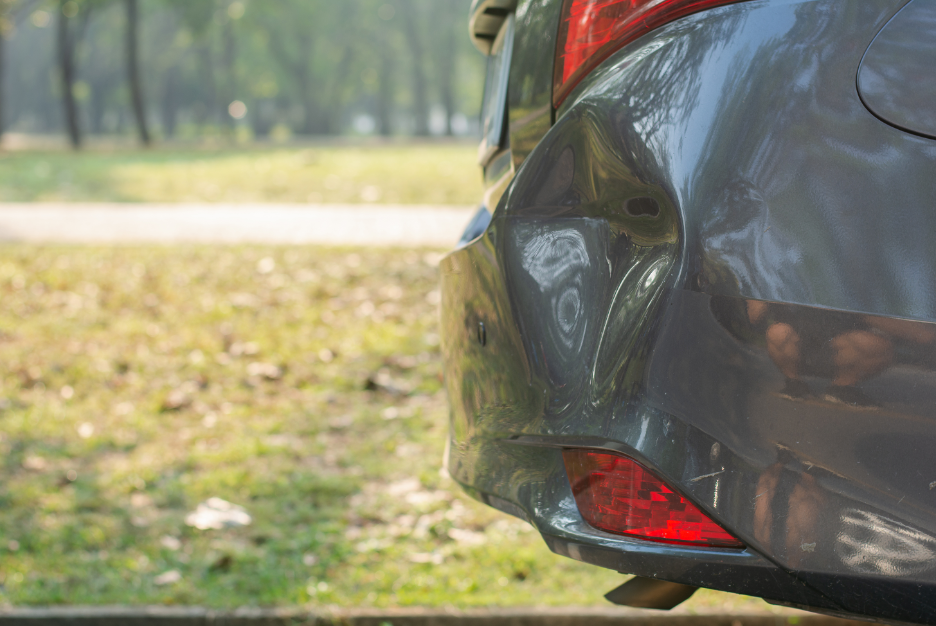
- Severe impact damage
- Areas where the metal has been stretched beyond its original shape
In these cases, traditional repair methods may be necessary to fully restore the panel.
A More Efficient Way to Address Minor Damage
When the conditions are right, PDR provides a focused way to correct damage.
By working directly with the existing panel and finish, it avoids the need for more involved repairs. This makes it a common choice for dents that do not affect the overall structure of the vehicle.
Looking for a Paintless Dent Repair Specialist in Wheaton, Illinois?
Does your vehicle have dents? Unsure whether paintless dent repair is the right solution? If so, an experienced paintless dent repair specialist in Wheaton, Illinois can evaluate the damage and recommend the most appropriate approach.
At Lombard Body & Fender, we provide paintless dent repair services designed to restore the appearance of your vehicle while preserving its original finish. Contact us to learn more about how PDR can be used to address minor dents and surface damage.